Channel operation
- Elapsed time
- 0s
- Estimated remaining
- Estimating…
No changes saved yet.
Keep this page open while work is running. Estimates change with channel size; leaving may interrupt unsaved work.
View results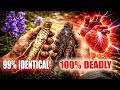
Grows in Your Garden, Looks Like Food: The Plant That Killed an Actor
Bodycam CrossExposed | 2026-01-01
Description
There's a plant growing in gardens across North America and Europe that looks exactly like horseradish when you dig up the root. Dark, fleshy, tapered—ready to grate into sauce. But if you harvest the wrong root, your heart will stop within four hours. That plant is monkshood (Aconitum napellus), co...
There's a plant growing in gardens across North America and Europe that looks exactly like horseradish when you dig up the root. Dark, fleshy, tapered—ready to grate into sauce. But if you harvest the wrong root, your heart will stop within four hours. That plant is monkshood (Aconitum napellus), considered the most poisonous plant in Europe, killing with as little as one gram. 🔬 THE DEADLY SCIENCE: Monkshood contains aconitine, a diterpene alkaloid so potent it was used on poison arrows for 2,000 years. This toxin binds to voltage-gated sodium channels in your heart and nerve cells, forcing them into permanent activation. Your heart loses its ability to beat in rhythm. Ventricular fibrillation. Respiratory paralysis. Death in 4-24 hours—most victims die within 6 hours. The lethal dose? 2-5 milligrams of pure aconitine. That's the size of your thumbnail in fresh root. Even touching the plant can numb your fingertips through skin absorption within minutes. You cannot cook it out. Heat doesn't destroy the alkaloids. You cannot induce vomiting safely. Toxins absorb within 20 minutes. You cannot wait for symptoms. Heart damage begins before you feel tingling. ⚠️ THE DANGEROUS DECEPTION: Monkshood grows in public parks, residential gardens, hiking trails—anywhere families explore. It's sold legally in garden centers as an ornamental perennial, valued for stunning purple hooded flowers. No warning labels. No restrictions. The confusion happens in fall when flowers fade and only the dark tuberous root remains underground. That's when experienced gardeners dig, assuming they know what they planted, never checking the smell that would save them. July 30, 2004: Andre Noble, a 25-year-old actor in Newfoundland, ate purple flowers he thought were wild parsnip during a hike. Dead within 4 hours. Blood analysis: 3.6 micrograms/liter of aconitine. January 27, 2009: Lakhvinder Cheema ate leftover curry in London. His ex-girlfriend had laced it with Indian aconite (Aconitum ferox). He lost use of his arms, legs, and vision within one hour. Dead despite emergency treatment. She's now serving life imprisonment as "The Curry Killer." This isn't rare. Cases increase yearly as foraging trends on social media and confident gardeners assume instead of verify. #Monkshood #PoisonousPlants #ForagingSafety #PlantIdentification #Aconitum #GardenSafety #WildForaging #DeadlyPlants #Aconitine #PlantToxicology
Tags
Transcripts
AddResources
AddCharacters
AddNotes
AddQuick Actions
Generate Transcript Not implemented
View Analytics Not implemented
Event Details
EditStats History
Latest 30 snapshots in save order, oldest saved to newest saved.
Older entries with no recorded time zone are shown as recorded and marked unknown.
| Date & time | Views | Likes | Comments |
|---|---|---|---|
| 2026-10-17 04:13:25 (zone unknown) | 73 | 0 | 1 |
| 2026-10-22 12:55:18 EDT | 73 | 0 | 1 |
Danger Zone
These actions cannot be undone.