Channel operation
- Elapsed time
- 0s
- Estimated remaining
- Estimating…
No changes saved yet.
Keep this page open while work is running. Estimates change with channel size; leaving may interrupt unsaved work.
View results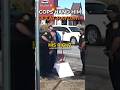
Lawsuit Filed Instantly! Cops Violate The 1st Amendment of Guy Legally Refusing to ID an Get Sued
Inspector Darkmind | 2026-03-21
Description
Political speech in public is still protected speech, regardless if some people find it not to their liking. That is exactly what makes this encounter so important. A citizen standing on a public street with a sign containing harsh language drew police attention after someone complained, but the Con...
Political speech in public is still protected speech, regardless if some people find it not to their liking. That is exactly what makes this encounter so important. A citizen standing on a public street with a sign containing harsh language drew police attention after someone complained, but the Constitution does not disappear just because speech offends people. Under Cohen v. California (1971), the government generally cannot punish the public display of offensive language, and the narrow “fighting words” exception does not apply unless the language is personally directed in a way likely to provoke immediate violence. What follows raises both First Amendment and Fourth Amendment issues. Officers physically interfered with the man’s signs, then moved to arrest him for “Disorderly Conduct” and “Failure to Identify” after he refused to go along with an unlawful attempt to censor his message. The legal questions here are straightforward: whether offensive political expression can be treated as criminal conduct, whether police had any lawful basis to demand identification, and whether the seizure of his signs and the arrest itself were retaliatory. Public officials do not get to convert protected expression into a criminal offense simply because it is vulgar, unpopular, or embarrassing. And unless a valid stop-and-identify law is properly triggered by Reasonable Articulable Suspicion (RAS), police cannot force a citizen to identify himself just because they dislike what he is saying. When officers use force and seize property in the course of enforcing a non-existent offense, the legal exposure becomes much more serious. All charges were eventually dismissed, and the encounter later became the basis for a federal Section 1983 lawsuit. It is a strong example of how “contempt of cop” is not a lawful ground for detention, and how civil rights litigation can become the final remedy when clearly established constitutional protections are ignored. Legal Focus: 1st Amendment (Protected Profanity) / 4th Amendment (Retaliatory Arrest) / Section 1983 Liability Scenario: Public Protest vs. "Disorderly Conduct" Enforcement Disclaimer: This footage is shared for educational and journalistic purposes to promote constitutional literacy and legal accountability. The content is intended to demonstrate real-world applications of civil rights and is not a substitute for professional legal advice.
Transcripts
AddResources
AddCharacters
AddNotes
AddQuick Actions
Event Details
EditStats History
| Date | Views | Likes |
|---|---|---|
| 2026-10-17 | 222,243 | 6,397 |
Danger Zone
These actions cannot be undone.