Channel operation
- Elapsed time
- 0s
- Estimated remaining
- Estimating…
No changes saved yet.
Keep this page open while work is running. Estimates change with channel size; leaving may interrupt unsaved work.
View results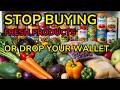
Stop Buying Fresh Produce — Here's What the Science Actually Says
BodyCam Pulse | 2026-05-09
Description
#NutritionScience #HealthyOnABudget #FoodFacts I spent ten years telling patients fresh produce was always the healthiest choice. I was wrong — and the peer-reviewed research that changed my clinical recommendations will probably surprise you too. USDA data shows the average American household thro...
#NutritionScience #HealthyOnABudget #FoodFacts I spent ten years telling patients fresh produce was always the healthiest choice. I was wrong — and the peer-reviewed research that changed my clinical recommendations will probably surprise you too. USDA data shows the average American household throws out $310 of fresh produce annually while spending hundreds more than necessary for the same nutritional outcome. What nutrition certification programs and medical schools didn't cover: grocery store fresh produce is frequently harvested before peak ripeness to survive national distribution, losing up to 75% of its vitamin C within seven refrigerated days according to Food Chemistry research. Frozen vegetables, flash-frozen within hours of peak-ripeness harvest, consistently match or exceed fresh on key vitamins — confirmed by Bouzari et al. in the Journal of Agriculture and Food Chemistry. Canned food is the most misunderstood category in clinical nutrition: canned tomatoes contain significantly more bioavailable lycopene than raw fresh tomatoes, and a Nutrients journal study found people eating 6+ canned items weekly had measurably higher potassium, calcium, and fiber intakes. I also walk through the full BPA picture — including what the industry swapped it for and why Consumer Reports 2024 still found bisphenol compounds in 79% of tested foods — plus the 30-second sodium rinse that cuts salt by up to 41% in beans, and the evidence-based seasonal buying protocol I now give all my patients. A four-person household following this framework could realistically retain $800–$1,200 annually. Zero nutritional compromise. Share this with someone whose doctor hasn't had time to review this research with them yet — they deserve the updated data. Key takeaway: The clinical evidence is clear. Frozen is the year-round workhorse. Canned is massively undervalued. Fresh wins in-season and local. Use all three strategically. 0:36 — The behavioral science behind grocery store entrance design 3:09 — The finding that made me publicly correct my patient advice for years 4:30 — USDA price analysis: 155 produce items, the numbers that change how you shop 5:15 — The clinical BPA update most consumers still don't know about 9:54 — The seasonal protocol closing the biggest gap in most household nutrition #ClinicalNutrition #GroceryScience #FrozenVsFresh #EvidenceBased #BudgetNutrition
Tags
Transcripts
AddResources
AddCharacters
AddNotes
AddQuick Actions
Event Details
EditStats History
| Date | Views | Likes |
|---|---|---|
| 2026-10-17 | 161 | 4 |
Danger Zone
These actions cannot be undone.