Channel operation
- Elapsed time
- 0s
- Estimated remaining
- Estimating…
No changes saved yet.
Keep this page open while work is running. Estimates change with channel size; leaving may interrupt unsaved work.
View results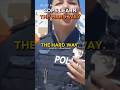
ID REFUSED And Lawsuit Filed! Cops Violating Rights Get Sued. 1st And 4th Amendment Case
Inspector Darkmind | 2026-04-29
Description
A public photography dispute turns into a major Fourth Amendment lesson when officers treat an internal “no filming” policy like it has the power of criminal law. The legal issue here is simple: policy is not law. A person standing on a public thoroughfare cannot be detained simply because a nearby...
A public photography dispute turns into a major Fourth Amendment lesson when officers treat an internal “no filming” policy like it has the power of criminal law. The legal issue here is simple: policy is not law. A person standing on a public thoroughfare cannot be detained simply because a nearby facility does not like cameras. Without trespassing, obstruction, or another actual statutory violation, officers still need Reasonable Articulable Suspicion that a real crime is afoot before turning a consensual contact into a mandatory detention. The interaction also raises the classic “Failure to ID” problem. If the original stop is not lawful, then refusing to identify does not magically become a crime. Being difficult, uncooperative, or verbally sharp with officers may irritate them, but “contempt of cop” is not probable cause. The courtroom outcome makes the point even clearer. Once the situation moved from the street to the judge, the absence of an actual criminal predicate became impossible to ignore. The policy violation was not a law violation, and the man’s refusal to play along ultimately helped expose the weakness of the entire case. Legal Focus: 4th Amendment (Illegal Stop) / Policy vs. Law / 1st Amendment (Right to Record) Scenario: Public Sidewalk vs. Officers' Arrest Based on a "No Filming" Policy Disclaimer: This footage is shared for educational and journalistic purposes to promote constitutional literacy and legal accountability. The content is intended to demonstrate real-world applications of civil rights and is not a substitute for professional legal advice.
Transcripts
AddResources
AddCharacters
AddNotes
AddQuick Actions
Event Details
EditStats History
| Date | Views | Likes |
|---|---|---|
| 2026-10-17 | 284,691 | 7,063 |
Danger Zone
These actions cannot be undone.