Channel operation
- Elapsed time
- 0s
- Estimated remaining
- Estimating…
No changes saved yet.
Keep this page open while work is running. Estimates change with channel size; leaving may interrupt unsaved work.
View results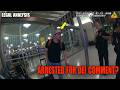
Passenger Arrested at Airport After DEI Comment - Was It Legal? Legal Analysis
Frontline Bodycam Central | 2026-05-06
Description
Passenger Arrested at Airport After DEI Comment - Was It Legal? Legal Analysis On July 7, 2025, Austin Police Department officers responded to Austin-Bergstrom International Airport after a male passenger was removed from a Southwest Airlines flight. Airline staff reported that the passenger appear...
Passenger Arrested at Airport After DEI Comment - Was It Legal? Legal Analysis On July 7, 2025, Austin Police Department officers responded to Austin-Bergstrom International Airport after a male passenger was removed from a Southwest Airlines flight. Airline staff reported that the passenger appeared intoxicated and had made comments they characterized as threatening. The passenger, traveling with his two young daughters, denied making threats and explained that he had made a politically charged comment about DEI (Diversity, Equity, and Inclusion) to an airline employee. This incident raises important questions about: • Texas public intoxication law and the "danger" element required for arrest • Fourth Amendment standards for investigative detention and probable cause • First Amendment protection for offensive but non-threatening speech • When officers can arrest based on third-party complaints • The practical wisdom of asserting constitutional rights at the scene vs. in court We analyze the actions of both officers and the passenger, examining what the law required and whether the arrest was supported by probable cause under Texas Penal Code § 49.02. ⚖️ LEGAL ISSUES EXAMINED: - Terry v. Ohio reasonable suspicion standards - Texas public intoxication statute (danger to self or others requirement) - Cohen v. California offensive speech protection - Florida v. Royer detention duration limits - Graham v. Connor use of force standards - Fifth Amendment right to silence 📋 GRADES: Officer 1: C- (detention without reasonable suspicion, could not articulate legal basis) Officer 2: C (arrest after complaining parties left, no independent danger assessment) Subject: B- (legally informed but tactically unwise, protected but offensive speech) 🎓 LESSONS: • Public intoxication requires proof of danger, not just drinking • Offensive speech is constitutionally protected speech • Being legally right doesn't prevent arrest • Silence is almost always better than argument • Officers must articulate specific facts, not just rely on complaints 📹 FOOTAGE: Austin Police Department body camera via public records request 🔔 SUBSCRIBE for weekly analysis of police interactions, courtroom proceedings, and constitutional law in action. 💬 COMMENT: What do you think? Was this arrest legally justified under Texas law? Should the subject have remained silent? Let us know below. #PoliceAccountability #ConstitutionalRights #FirstAmendment #FourthAmendment #TexasLaw #PublicIntoxication #AirportSecurity #FreeSpeech #LegalAnalysis DISCLAIMER: This video is for educational and informational purposes only. It is not legal advice. Every legal situation is unique. If you need legal advice, consult an attorney licensed in your jurisdiction. Our analysis is based on publicly available information and legal research current as of the video publication date.
Tags
Transcripts
AddResources
AddCharacters
AddNotes
AddQuick Actions
Event Details
EditStats History
| Date | Views | Likes |
|---|---|---|
| 2026-10-17 | 6 | 0 |
Danger Zone
These actions cannot be undone.