Channel operation
- Elapsed time
- 0s
- Estimated remaining
- Estimating…
No changes saved yet.
Keep this page open while work is running. Estimates change with channel size; leaving may interrupt unsaved work.
View results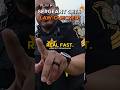
Police Sergeant Dismissed For Violating Guy's 4th And 1st Amendment For Legally Filming In Public
Inspector Darkmind | 2026-04-08
Description
A citizen standing on a public sidewalk records what is openly visible to anyone passing by, including a screen a public official failed to shield from view. What follows raises a serious constitutional question: can police detain someone for documenting information that was already exposed to the p...
A citizen standing on a public sidewalk records what is openly visible to anyone passing by, including a screen a public official failed to shield from view. What follows raises a serious constitutional question: can police detain someone for documenting information that was already exposed to the public? At the center of this incident is the legal duty of public officials to secure sensitive information themselves, rather than shifting that burden onto the public through an unlawful stop. The First Amendment protects the right to record public officials in public spaces, and clearly established case law such as Glik v. Cunniffe reinforces that government employees cannot simply shut down recording because it makes them uncomfortable or exposes their own failure to protect private data. The Fourth Amendment issue is just as important. A detention requires Reasonable Articulable Suspicion that a crime is afoot. Recording from a public sidewalk does not meet that standard. There is also no legitimate expectation of privacy in material left plainly visible to the public. If a screen can be seen from a public vantage point, responsibility for that exposure falls on the government official displaying it, not on the person holding a camera. The encounter becomes even more significant when the citizen cites clearly established law and warns the officers about qualified immunity and personal civil liability. Once the legal reality is laid out, the justification for the stop falls apart. What remains is a strong example of how calm, informed pushback can expose the limits of official authority and reinforce the public’s right to document what is already in plain view. Legal Focus: 1st Amendment (Right to Record) / 4th Amendment (Unlawful Detention) / Plain View Doctrine Scenario: Public Sidewalk Filming vs. Sergeant's Unlawful Demands Disclaimer: This footage is shared for educational and journalistic purposes to promote constitutional literacy and legal accountability. The content is intended to demonstrate real-world applications of civil rights and is not a substitute for professional legal advice.
Transcripts
AddResources
AddCharacters
AddNotes
AddQuick Actions
Event Details
EditStats History
| Date | Views | Likes |
|---|---|---|
| 2026-10-17 | 1,092,814 | 23,375 |
Danger Zone
These actions cannot be undone.